Getting your basement ready for spring thaw in Rock County
By Sofia Kaur · Updated 2026-09-06
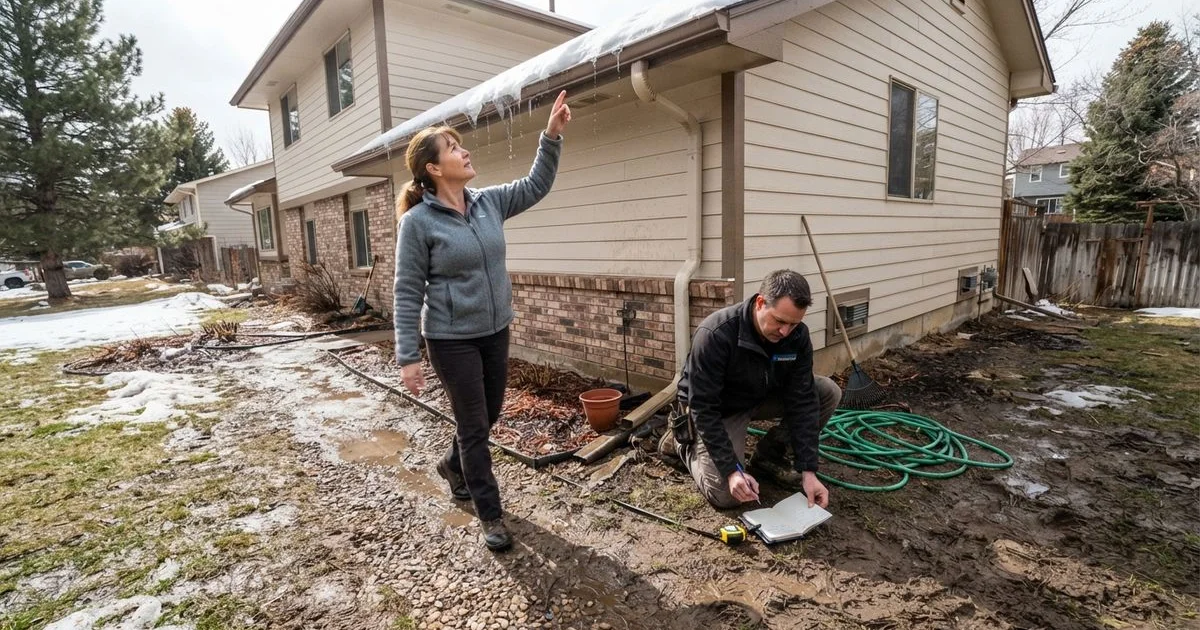
Spring in Rock County means snowmelt hitting ground that’s often still partly frozen, sometimes followed within days by heavy rain. That combination is the single biggest seasonal driver of basement water calls across the county, and most of it is preventable with a checklist you can run through before the thaw actually starts.
The pre-spring checklist
Test your sump pump now, not during the first big melt. Pour a few buckets of water into the sump pit and confirm the pump activates, moves water out, and shuts off properly. If you have a battery backup, confirm it’s charged and check when the battery was last replaced. Batteries typically need replacing every 3 to 5 years, and a pump with a dead backup is no different from having no backup at all during a power outage.
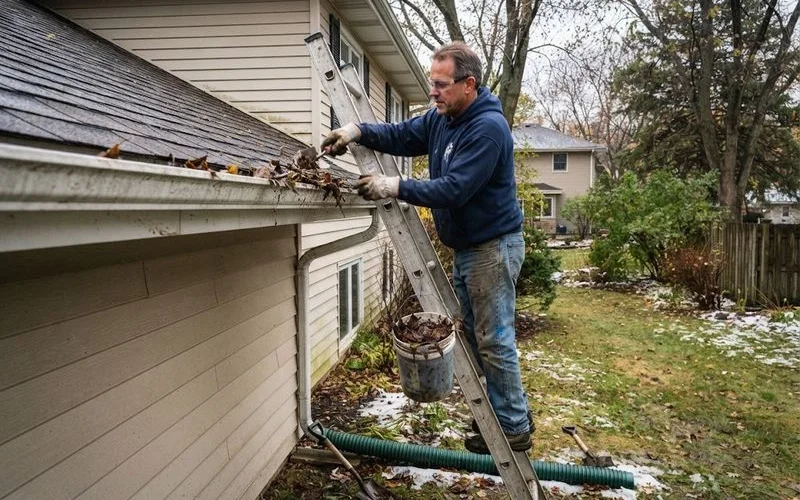
Clear gutters and confirm downspouts extend away from the house. This is the most common root cause behind basement water calls in local reviews we track, and it’s also the cheapest to fix. Downspouts that dump water within a few feet of the foundation, or gutters clogged with last fall’s leaves, send water exactly where you don’t want it during a heavy melt.
Check the grading around your foundation. The ground should slope away from the house for at least several feet. If you notice water pooling near the foundation after a rain rather than running off, that’s a grading problem worth addressing before spring, not after a flooded basement forces the issue.
Walk your window wells. Clear out leaves and debris, and confirm the drain at the base of each well (if it has one) isn’t clogged. A window well that fills with water during melt puts pressure directly against a foundation opening.
Seasonal checklist at a glance
| Task | Timing | Why it matters |
|---|---|---|
| Test sump pump and backup battery | Late winter | Confirms the system works before it’s needed |
| Clear gutters, check downspout extensions | Late winter | Most common root cause of spring basement water |
| Check grading slopes away from foundation | Late winter | Prevents water from pooling at the wall |
| Clear and check window well drains | Late winter | Reduces pressure against foundation openings |
| Watch for new cracks or efflorescence after the thaw | Early spring | Early sign the winter’s freeze-thaw cycle stressed the wall |
After the thaw: what to watch for
Once the ground has thawed and the heaviest rain has passed, walk the basement again. Look for new efflorescence (the white, chalky mineral deposits that signal water has been moving through concrete or block), any dampness that wasn’t there before, or cracks that seem to have widened over the winter. Freeze-thaw cycles put real stress on foundation walls every year, and catching a new hairline crack early, before it becomes a seepage point, is far cheaper than waiting.
Pay attention to timing, too. A basement that stays dry through a light spring but floods after the season’s first heavy summer thunderstorm isn’t necessarily a new problem, it’s often the same underlying grading or drainage weakness showing up under different conditions. Keeping a simple log of when and how much water shows up, tied to specific weather events, gives a contractor much more to work with than “it happens sometimes.”
What a fall check-in adds
Spring gets most of the attention, but a quick fall walkthrough before the ground freezes catches problems while they’re still easy to fix. Clear gutters again once the leaves are down, disconnect and drain any garden hoses near the foundation, and confirm downspout extensions are still in place, since lawn mowing and yard work over the summer sometimes knock them loose or bury them. A few minutes in October can prevent a much bigger surprise the following March.
If prevention isn’t enough
Sometimes a well-maintained gutter and grading setup still isn’t enough, particularly for older homes without exterior drain tile or homes sitting on especially clay-heavy or low-lying lots. If your basement has taken on water two springs in a row despite doing the basics right, that’s usually a sign the underlying drainage needs professional attention rather than another season of hoping the next thaw goes better. Deciding whether that means interior drain tile or exterior excavation is its own question; the interior vs. exterior waterproofing guide walks through how to choose.
Our exterior and below-grade waterproofing category lists Rock County contractors who handle grading, drain tile, and exterior drainage work specifically. The Rock County Waterproofing Guide home page has the full local list, and our ranking method explains how those rankings get built.
FAQ
- Why does spring specifically cause so many basement water problems in Rock County?
- Snowmelt saturates already-frozen ground quickly, and if a heavy rain follows before the soil can absorb more, water has nowhere to go but toward the path of least resistance, which is often your foundation. Clay-heavy soil common in the area also drains slowly, making the problem worse.
- How early should I start prepping?
- Late winter, before the thaw actually starts, is the ideal window. Testing your sump pump and clearing gutters is much easier before snow and ice are actively melting than during an active flood risk.
- Do I need to test my sump pump every year even if it worked fine last spring?
- Yes. A properly installed sump pump should be tested at least once a year, ideally before the spring melt, since pumps can fail from age, debris, or a stuck float switch without any obvious warning beforehand.
- What's the single most common cause of spring basement flooding?
- Poor grading and clogged or disconnected downspouts are the most common culprits we see referenced across local waterproofing reviews, more often than a dramatic foundation failure. Water pooling right at the foundation because it has nowhere else to go is usually the root issue.