Basement waterproofing before you sell your house in Rock County
By Sofia Kaur · Updated 2026-09-03
This is general information, not legal advice about your specific transaction. Wisconsin disclosure requirements and how they apply to your situation should be confirmed with a real estate attorney or your listing agent.
A wet or previously wet basement is one of the more common things that complicates a home sale in Rock County, where clay-heavy soil and older housing stock mean plenty of basements have dealt with water at some point. Here’s how to think through whether to address it before you list.
Why this comes up during a sale, specifically
Buyers and their inspectors look closely at basements for a reason: water problems are expensive, and an undisclosed one that surfaces after closing tends to become a legal and financial headache for the seller who didn’t address it. Wisconsin’s disclosure requirements generally call for sellers to disclose known material defects, and a documented history of basement water intrusion typically falls into that category. Trying to hide or paint over evidence of a past problem, rather than disclosing and addressing it, tends to create more risk for a seller than it avoids.
What inspectors and buyers actually look for
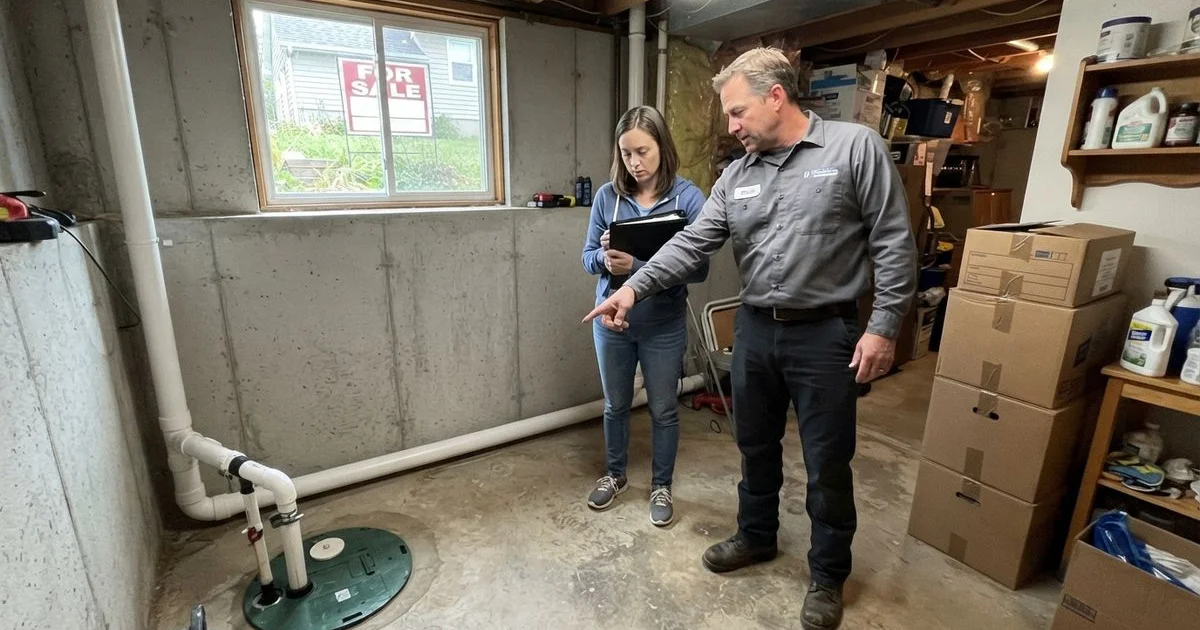
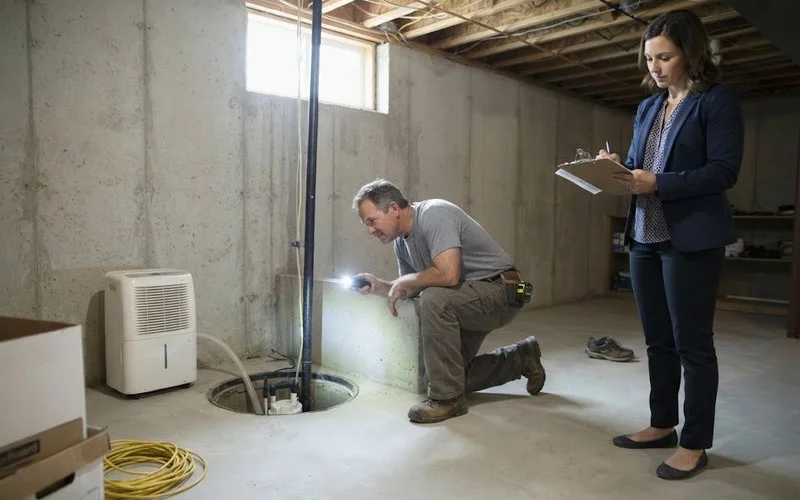
A home inspection is a snapshot, not a guarantee. Inspectors typically check for visible staining on walls or floors, efflorescence (the white, chalky mineral deposits that signal past water movement), a musty smell, an existing sump pump and whether it’s functional, and any obvious cracks. But inspections happen on one day, and a basement that’s dry in July can have a real spring snowmelt problem that simply isn’t visible at the time of inspection. Buyers who ask direct questions about the basement’s history, or request a specialist evaluation, aren’t being unreasonable, they’re trying to avoid exactly the kind of surprise a one-time inspection can miss.
Fix it first, or disclose and negotiate
| Approach | Upside | Downside |
|---|---|---|
| Fix before listing | Clean inspection, transferable warranty reassures buyers, no negotiation delay | Upfront cost before you’ve sold |
| Disclose and price accordingly | No upfront cost, transparent | Some buyers walk away from any water history regardless of price; can slow the sale |
| Disclose and negotiate a credit | Buyer controls the fix and contractor choice | Buyer may overestimate cost and ask for more than the actual fix would run |
Fixing the problem before listing, with documentation and a transferable warranty, tends to remove the uncertainty that makes buyers nervous. It also means you control which contractor does the work and what method they use, rather than leaving that decision, and its cost, to a buyer during a tense negotiation.
If you choose to disclose instead
Get a written assessment from a waterproofing contractor even if you don’t do the work, so you have a real number and a real diagnosis to share rather than leaving buyers to guess at the worst case. A documented, specific scope (“interior drain tile recommended, estimated $X”) reads very differently to a buyer than a vague admission that “the basement gets a little damp sometimes.”
What a buyer’s agent is likely to ask
Even without a formal disclosure question about the basement specifically, expect a buyer’s agent to ask directly whether the basement has ever taken on water, whether a sump pump has ever been installed or replaced, and whether any waterproofing work has been done. Vague or evasive answers tend to make buyers more suspicious, not less, since most people assume a seller who won’t give a straight answer is hiding something worse than the truth would suggest. A seller who can say plainly what happened, when, and what was done about it usually comes across as more trustworthy than one who deflects.
Timing the work around your sale
If you decide to fix the problem before listing, build in enough lead time. Interior drain tile and sump pump work typically takes one to three days once scheduled, but getting on a contractor’s calendar during the busy spring season can take weeks. Exterior work takes longer and disrupts the yard, which matters if you’re also trying to stage curb appeal for photos and showings. Talk to your agent about how a recent excavation or visible new patchwork near the foundation might read to buyers touring the property, and ask the contractor whether they can restore landscaping to a presentable state as part of the job, not as an afterthought.
Getting a straight answer before you decide
Whichever direction you go, start with an honest inspection from a waterproofing contractor, not just your home inspector, since they’ll be able to tell you what’s actually happening and roughly what it would cost to fix. That written assessment becomes useful either way: as a scope of work if you decide to fix it, or as documentation of due diligence if you decide to disclose and let the buyer factor it into their offer.
The Rock County Waterproofing Guide lists local contractors who can provide that kind of pre-listing assessment, and our ranking method explains how we evaluate them so you’re not picking blind.
FAQ
- Do I legally have to disclose a past basement water problem?
- Wisconsin's real estate disclosure requirements generally call for sellers to disclose known material defects, which a past or ongoing water intrusion issue typically qualifies as. Confirm current requirements and your specific situation with a real estate attorney or your agent, since disclosure rules and what counts as material can vary by circumstance.
- Will a home inspector definitely catch a wet basement?
- Most home inspectors check for visible signs like staining, efflorescence, musty odor, and an active sump pump, but inspections happen at one point in time. A basement that's dry during a summer inspection can still have a real spring seepage problem that isn't visible that day.
- Is it better to fix the problem or just lower the price?
- It depends on severity and buyer pool. A documented fix with a transferable warranty often reassures buyers and can prevent a deal from falling apart during inspection negotiations. A price reduction shifts the cost and the uncertainty onto the buyer, which some buyers won't accept for a basement issue.
- Does a repair need to happen before listing, or can it be negotiated during the sale?
- Both are common. Some sellers fix it upfront to avoid inspection surprises; others disclose the issue and let it become part of the price negotiation. A visible, unaddressed water problem discovered during inspection tends to hand buyers a stronger negotiating position than one addressed and documented ahead of time.