Basement Waterproofing in Rock County, Wisconsin
What basement waterproofing covers
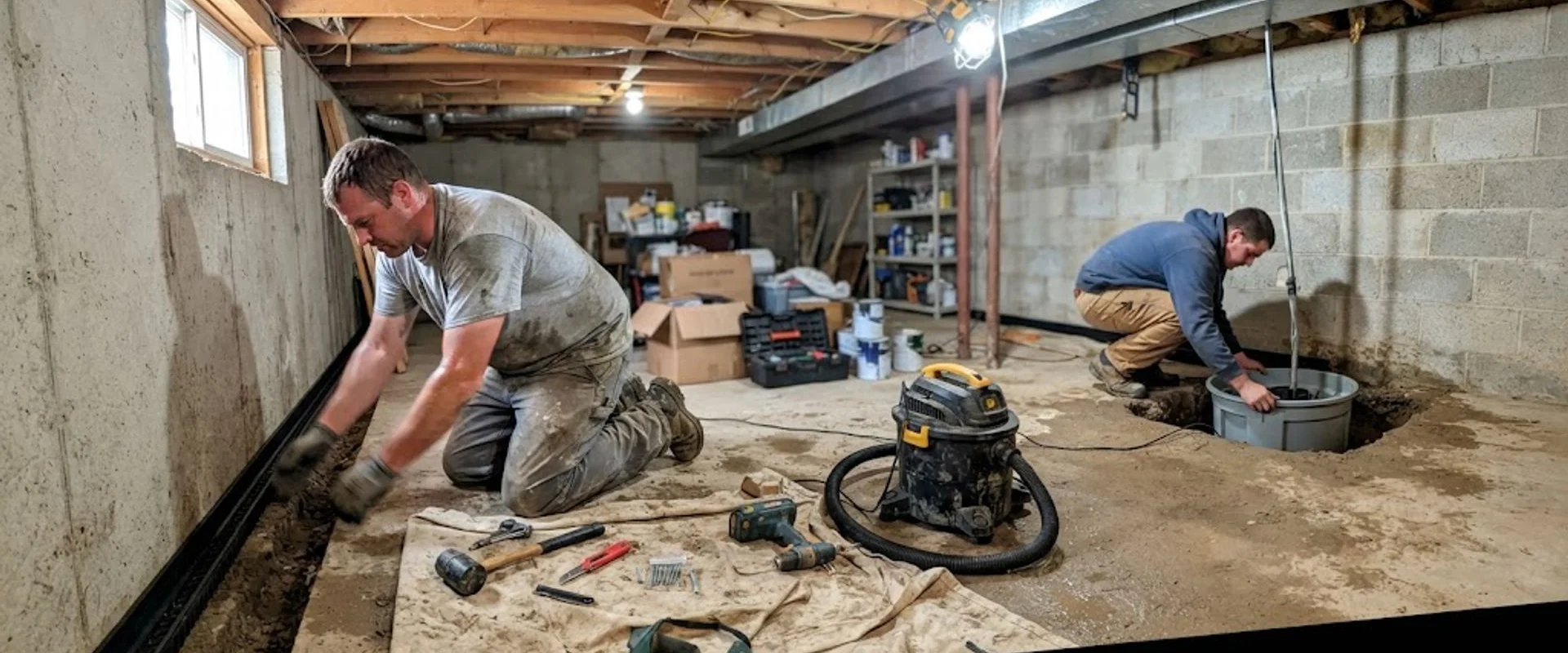
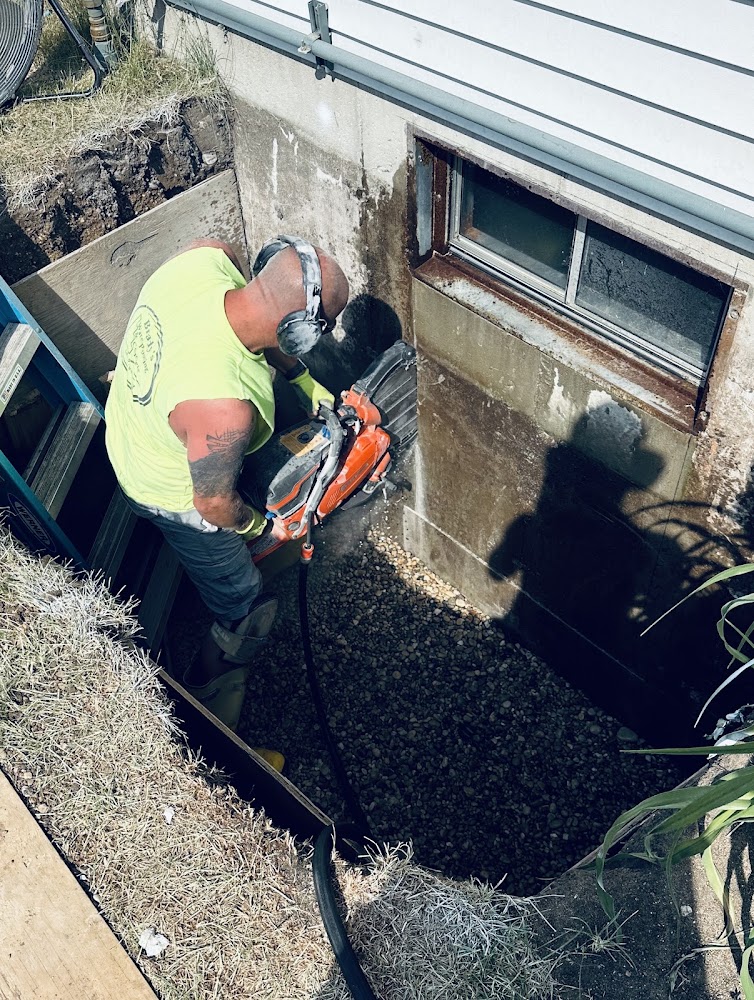
Rock County basements deal with clay-heavy soil, a high water table near the Rock River and its tributaries, and freeze-thaw cycles that stress foundation walls every winter. Basement waterproofing is the work of keeping that water out or managing it once it gets in. Depending on what a home needs, that can mean interior drain tile and a sump pump system, exterior excavation and membrane or dimple-board barriers, crack injection with epoxy or polyurethane, grading and downspout extensions to move water away from the foundation, or a vapor barrier on walls and floors to cut humidity and mold risk. Some jobs are small crack repairs. Others involve digging around the whole perimeter of the house. A contractor should be able to explain which approach fits your specific water problem rather than defaulting to the most expensive fix.
What to look for before you hire
- A real diagnosis first. A contractor should inspect the source of water (surface runoff, groundwater, plumbing leak, or condensation) before proposing a fix. If someone quotes a full exterior dig without looking at your gutters and grading, that's a red flag.
- Licensing, insurance, and local experience. Wisconsin's clay soils and frost depth mean a crew that's worked in Rock County (Janesville, Beloit, Milton, Edgerton) understands how foundations here move and crack differently than in sandier soil.
- Written warranty terms. Sump pumps, drain tile, and sealants all carry warranty periods that vary a lot by company. Get the length and what voids it in writing.
- Clear scope and cleanup plan. Exterior waterproofing means digging up landscaping and sometimes concrete. Ask what gets restored and who pays for it.
Our scores weigh review volume and rating trends, how consistently a business responds to customers, licensing and business longevity signals, and complaint patterns, so you can compare the 28 listed contractors on more than star count alone. Read how we calculate it on the methodology page.
Find basement waterproofing for your project
No obligation. Describe your waterproofing job and we'll connect you with providers who fit what you need.
All basement waterproofing, ranked by score and relevance
28 businesses. The order weighs each business's overall score by how much of its reviewed work is basement waterproofing, so a lower-scored specialist can rank above a higher-scored generalist. Filter and sort below, or open the full map view.
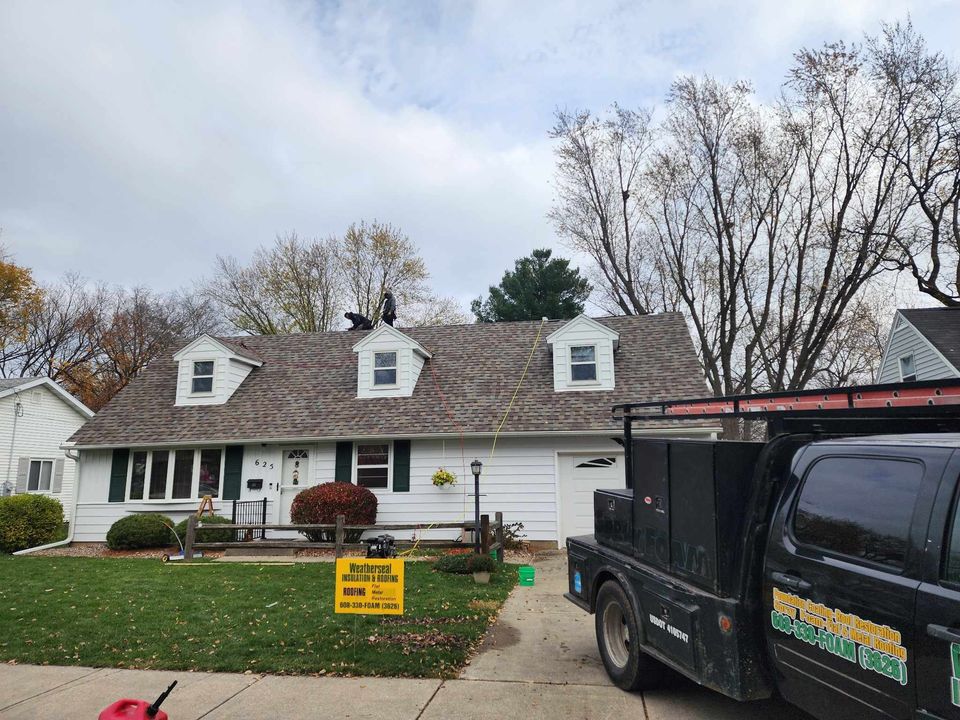
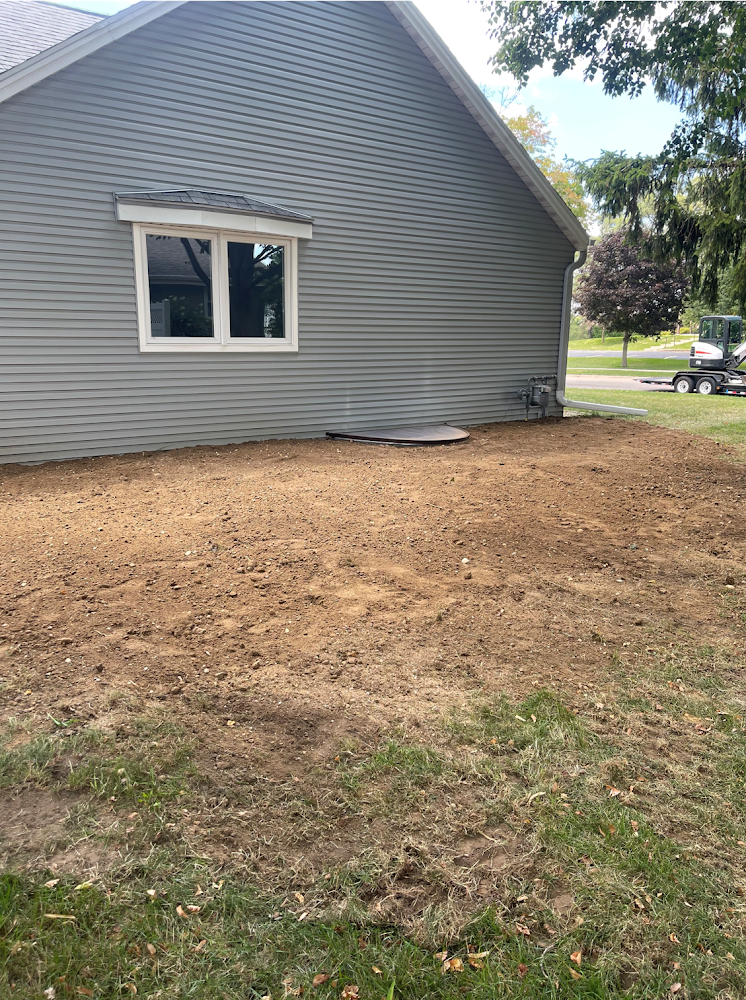


Your contact details may be passed to partner providers who can carry out the work, and we may earn a referral fee. Our rankings and scores are based on our published method only and are not affected by referral fees.
Common questions about basement waterproofing
- How much does basement waterproofing cost in Rock County?
- Interior fixes like crack injection or a single sump pump can run from a few hundred dollars up to around $2,500. Full interior drain tile systems with a sump pump typically land between $5,000 and $12,000 depending on basement size. Exterior excavation and membrane work, the most invasive option, often runs $10,000 to $25,000 or more because of the digging and landscaping restoration involved. Get at least two or three quotes since pricing varies widely by method and crew.
- How often does a basement waterproofing system need attention?
- A properly installed sump pump should be tested at least once a year, ideally before spring snowmelt and heavy rain season. Battery backups typically need replacing every 3-5 years. Drain tile and exterior membranes are built to last decades if installed correctly, but gutters, downspouts, and grading should be checked annually since neglecting those is the most common reason waterproofing systems get overworked.
- What should I expect during a waterproofing job?
- Interior work (drain tile, sump pump, crack injection) usually takes 1-3 days and is done from inside the basement with some concrete cutting and dust. Exterior work takes longer, often a week or more, since it involves excavating around the foundation, which disrupts landscaping, walkways, or driveways near the work area. A reputable contractor will walk you through the timeline and any temporary access issues (like blocked driveways) before starting.
- How can I tell if a waterproofing job was done well?
- After installation, check that water no longer pools near the foundation during heavy rain, that the sump pump cycles properly under test (pour a few buckets of water into the pit), and that any patched cracks stay dry through at least one full wet season. A good contractor stands behind the work with a written warranty and will come back if water reappears, rather than treating the first fix as final.